
Queer Art কী? খায় না হোগা’ত দেয়?
Wikipedia আমাদের আশ্বস্ত করে ব’লেন যে, Queer Art নাকি আসলেই LGBTQIA+ Art। বিষয়, শিল্পী বা উদ্দিষ্ট দর্শক যে কোন একটা LGBTQIA+ হ’লেই হবে, তিনটি একসাথে হ’লে তো কথাই নেই। লিঙ্গসমতা আন্দোলনের স্বপ্ন, লিঙ্গবৈষম্যহীন এক নতুন পৃথিবীর স্বপ্ন (যা অনেকের দুঃস্বপ্ন), অবৈধ কাম ও কামনার উদযাপন ইত্যাদি বিষয় যা একজন স্বসংজ্ঞায়িত LGBTQIA+ শিল্পী স্বসংজ্ঞায়িত LGBTQIA+ দর্শকের জন্য এঁকে, গড়ে, ছেপে থাকেন তাহাই Queer Art, very much too much বিভিন্নতাকামী diverse। তার পরের অনুচ্ছেদগুলোয় রয়েছে স্থান-কাল-পাত্র-পাত্রী-পাত্র ভেদে এই বিভিন্নতা নিয়ে সাত-সতেরো-সত্তর-সাতাত্তর-সাতশো দায়বর্জন-বিবৃতি।
কিন্তু যে-কোনো-একটি কিংবা তিনটির-তিনটিই ইত্যাকার ইস্কুলে মুশকিল থেকেই যায়।
Andy Warhol-এর স্ব-সংজ্ঞায়িত বা প্রচারিত sexuality হয় অনুচ্চকিত দ্বৈতকাম নয়তো তর্কে-বহুদূর। তা হ’লে তাঁর আঁকা male nudes কি বেশী-queer art আর রামধনুরঙ্গা Marilyn Monroe কি queer-কম পড়িয়াছে-art? নাকি দু’টোই তাই? নাকি কোনটাই নয়?
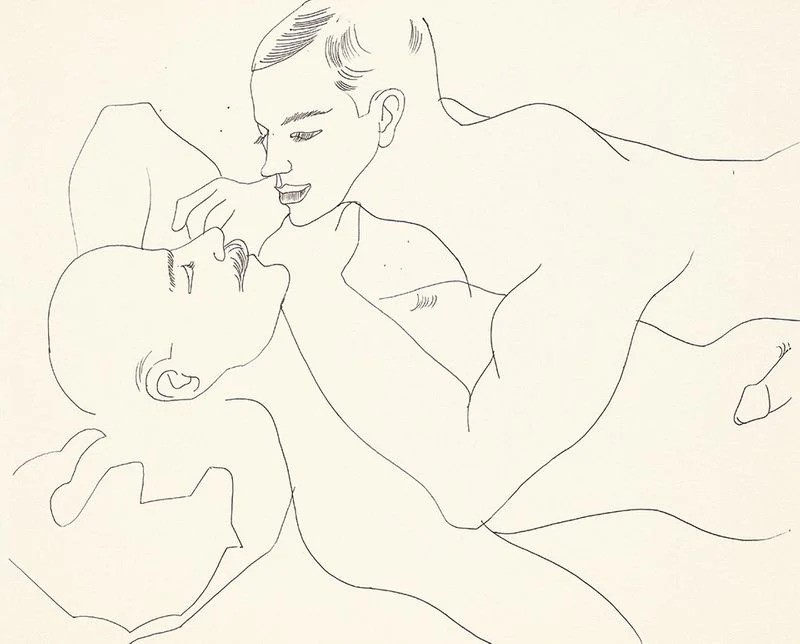
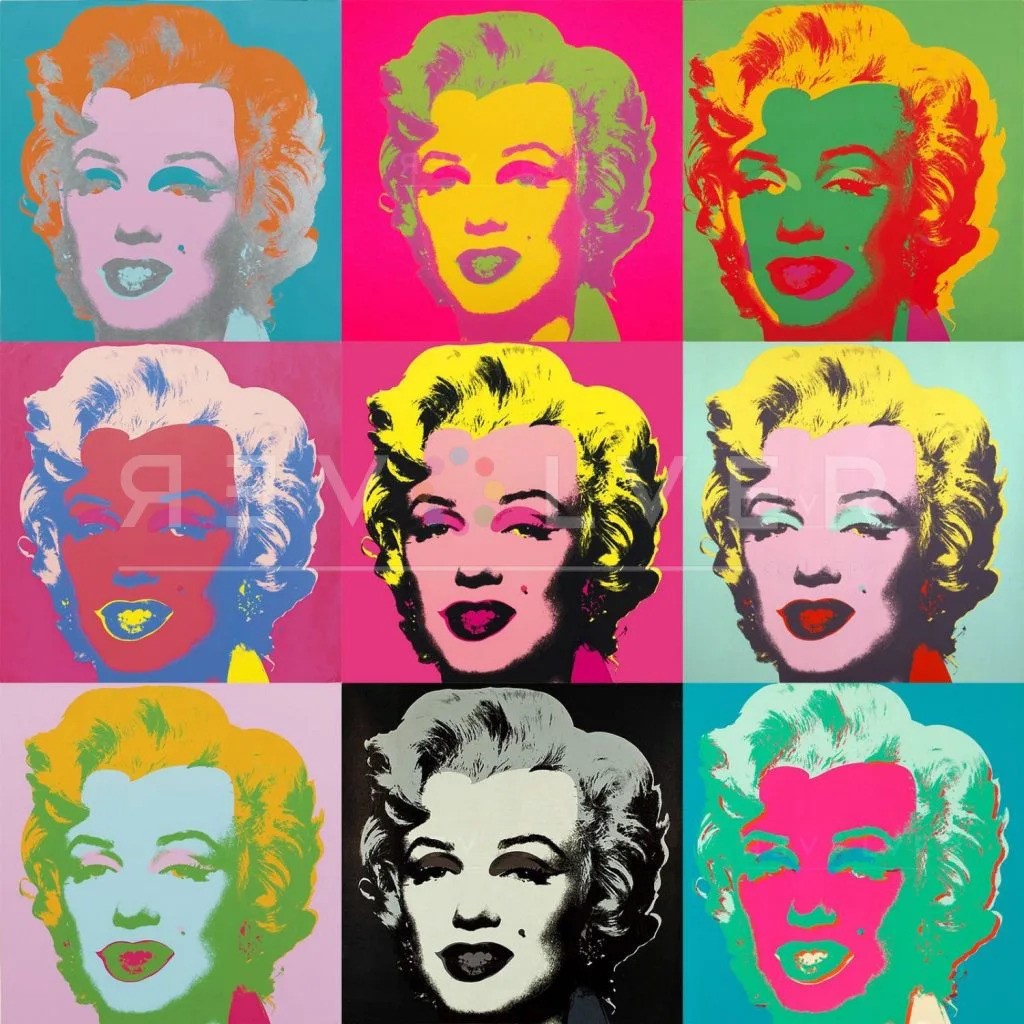
চিত্র ১ক , ১খ – Andy Warhol– কে এল জি, কার বিটি?
Sergei Eisenstein-এর ঘোষিত bisexuality কি তাঁর পঞ্চসহস্রাধিক ড্রয়িং-এর প্রতিটিকে queer art করে তোলে? না কি শুধু দৃশ্যত: অবৈধকামী ড্রয়িংগুলিই queer art অভিধার যোগ্য?
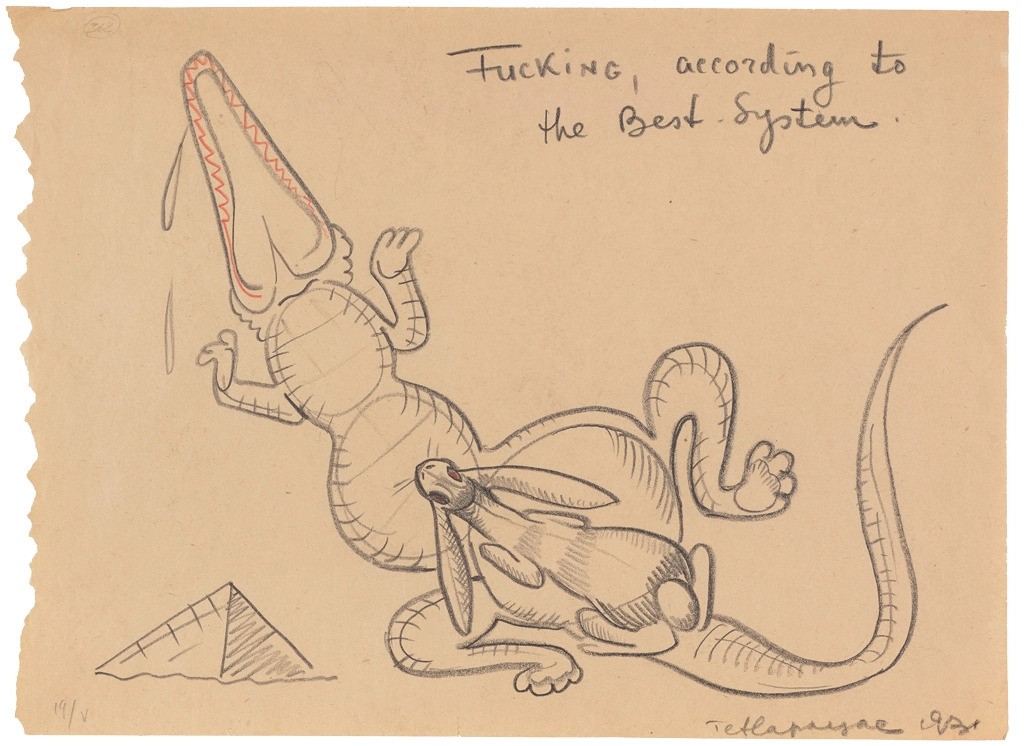
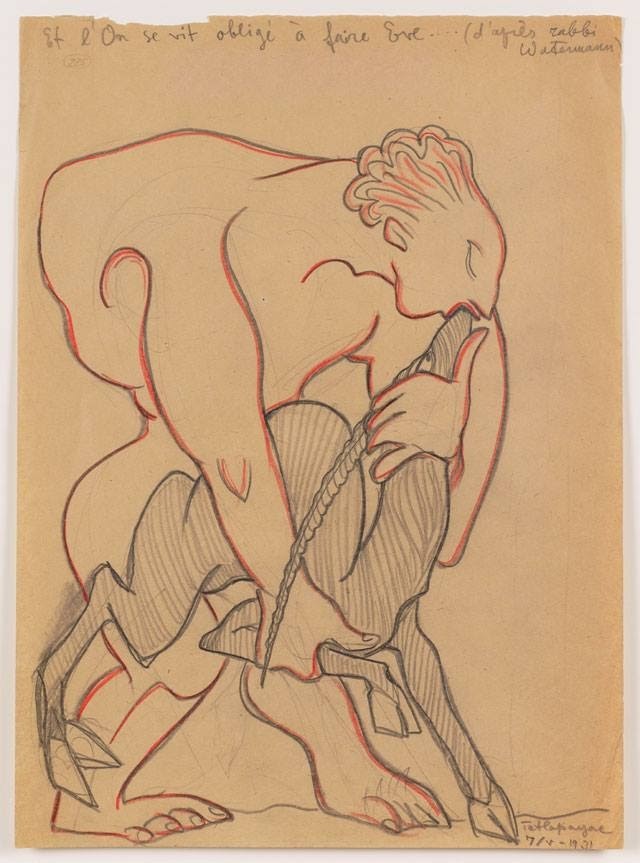
চিত্র ২ক , ২খ – Sergei Eisenstein-এর দু’টি ড্রয়িং
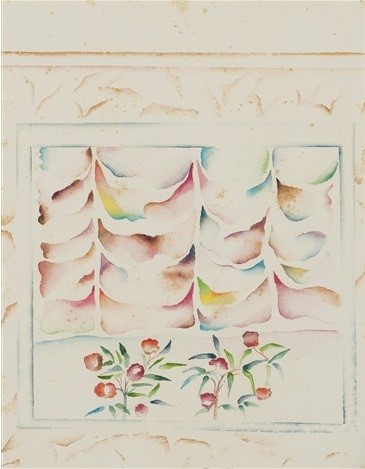
সমকালিক পশ্চিমা চিত্রকলার তুঙ্গখ্যাত সমকামী প্রেম ত্রিভুজের তিন বাহু চিত্রশিল্পী Cy Twombly, Jasper Johns and Robert Rauschenberg। তাঁদের কোন চিত্রকাজেই মানবশরীর, পুরুষশরীর, অবৈধকাম ইত্যাদির দৃশ্য-উপস্থিতি স্পষ্ট নয়, এমনকি ঘোষিতভাবে সমকাম-মূলক কাজেও এগুলি দৃশ্যমান নয়। ত’বে সেগুলি কি queer art পদবাচ্য নয়? না কি শুধু দর্শকের চোখেই এই art-এর queer-ত্ব?
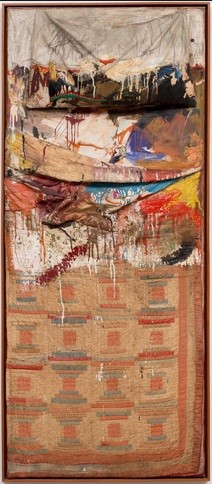
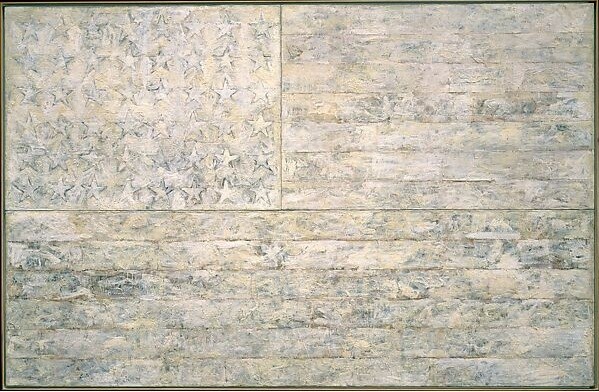
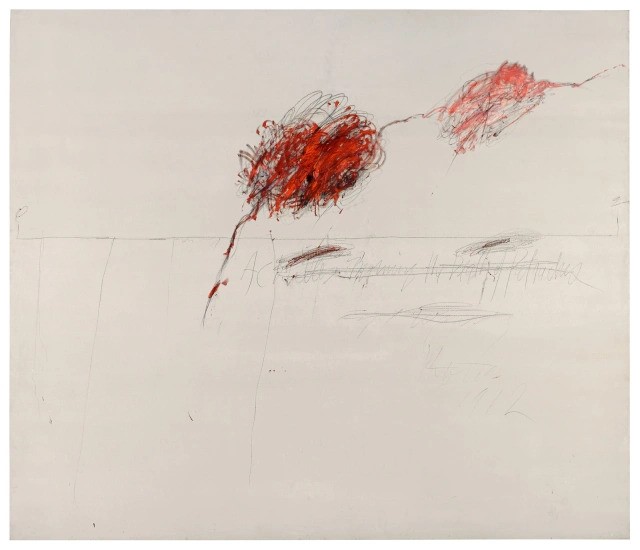
চিত্র ৩ ক , ৩ খ , ৩ গ – Robert Rauschenberg -এর ‘বিছানা’, Jasper Johns-এর ‘সাদা নিশান’ আর Cy Twombly-র ‘প্যাট্রোক্লাসের জন্য শোকাহত একিলিস’
আর ভূপেন খখরের তথাকথিত coming-out canvas ‘You can’t please all’ (1981) আঁকার পরের সব ছবিই কি queer art আর তার আগের আঁকা কোন ছবিই কি queer art নয়?
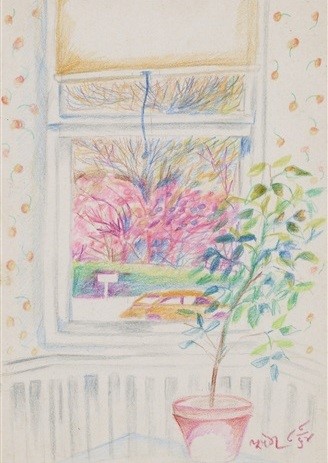
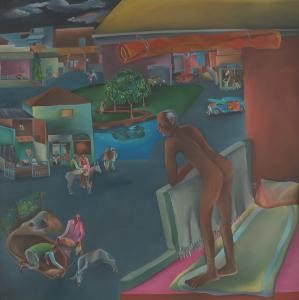
চিত্র ৪ ক , ৪ খ , ৪ গ – Bhupen Khakhar – ‘Interior with a Window’ (1974), ‘You Can’t Please All’ (1981), ‘View from a Window’ (1990-1999)
Queer আর LGBTQIA+ কে সমার্থক ধরার মাঝেই লুকিয়ে আছে এই সংজ্ঞায়নের চোরাবালি। কারণ, LGBTQIA+ সংজ্ঞায়নের বিপরীতেই Queer সংজ্ঞায়নের ঐতিহাসিক উৎপত্তি। যা খোপকাটা আত্মচিহ্নন আর দল-আন্দোলনের নানা সীমাকে প্রশ্ন করে, ‘কুঈয়ার বা আজব’ নামক একটি বিশেষণ বা বিশেষ গালিকে উলটে আর পালটে। মেগ-জন বার্কার এই বিজিত বিশেষণকে আরও আরও প্রাণ আর উদ্দেশ্য দেন, দায়িত্বের বোঝা বাড়িয়ে দেন তার – • Resisting the categorization of people • Challenging the idea of essential identities • Questioning binaries like gay/straight, male/female Demonstrating how things are contextual, based on geography, history, culture, etc. • Examining the power relations underlying certain understandings, categories, identities, etc. তারপর ছবির ভাষায় আরও খোলসা করে দে’ন এই বক্তব্য- কুঈয়ারত্ব-কে বেলুনরূপে দেখিয়ে।
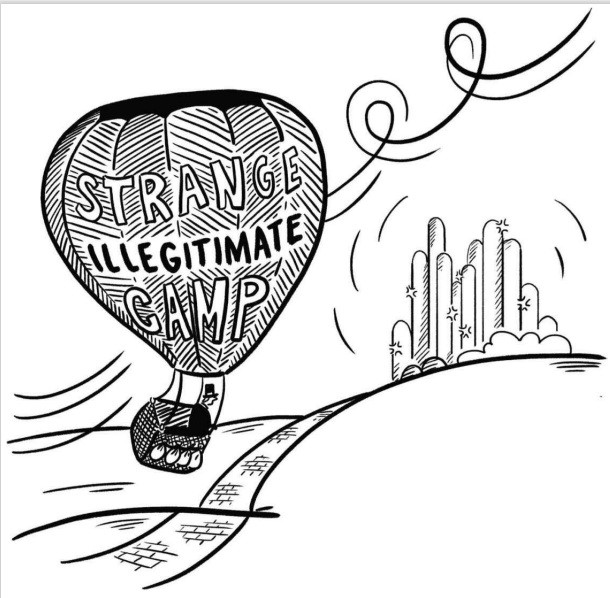
চিত্র ৫ – ‘কুঈয়ার – এ গ্রাফিক হিস্ট্রি’ থেকে
তাতে মামলা সালটায় না। টিকিট আঁটা অর্থাৎ চিহ্নবর্গীকরণ সদাই মুশকিলের। কিন্তু মানুষ চিহ্নদাস প্রাণী, আর্টমোদী প্রাণীরা তো আরোই (তাঁদের মধ্যে একজন দামোদরদাস)। মানি-না-এ-বিভাজন-মানি-না, এমত স্বাধীনচেতনা জীবনের অন্য অনেক ক্ষেত্রে লাগসই হোক-না-হোক, চারুকলার ক্ষেত্রে তো বেশ চড়াম-চড়াম চলার কথা।
চলা মুশকিল, বলেন Renate Lorenz । Queer Art : A Freak Theory লিখেছেন তিনি। Renate Lorenz শুধু শিল্পীই নন (Pauline Boudry-র সাথে যুক্তভাবে), সাথে শিল্পতাত্ত্বিকও। তাঁর তত্ত্বকথা আমাদের শুনতেই হ’বে কেন? খুব সম্ভবতঃ তিনি queer বলে? নাকি তিনি queer art আর queer art theory যুগপৎ চর্চা করেন? তাঁর তত্ত্বায়ন এ ধরণের প্রশ্নবাণকে অবান্তর করে দেয়।
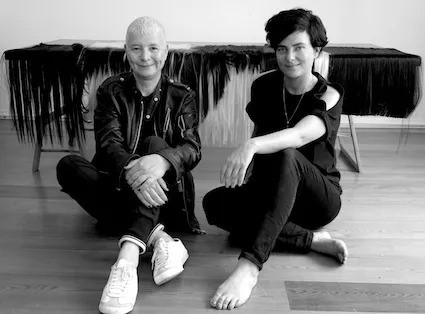
চিত্র ৬ – Renate Lorenz (বাঁ দিকে) – Pauline Boudry, ফোটো Bernadette Paassen
Queer art-কে একটি বর্গীকরণ, বা স্বত্ব বা লক্ষণা হিসাবে না দেখে এক বীজ হিসেবে দেখে Queer Art Freak Theory-র তত্ত্বায়ণ। “How can queer art be taken up in a way that does not classify, level, and understand, but continues, by other means, the denormalization that it incites, the desire for being-other, being-elsewhere, and change?” এর উত্তর তিনি খোঁজেন freak show-এর ভাবদৃশ্যজগতে। সেখানেই গেঁথে আছে এই তত্ত্বায়ণের উপমামূল।
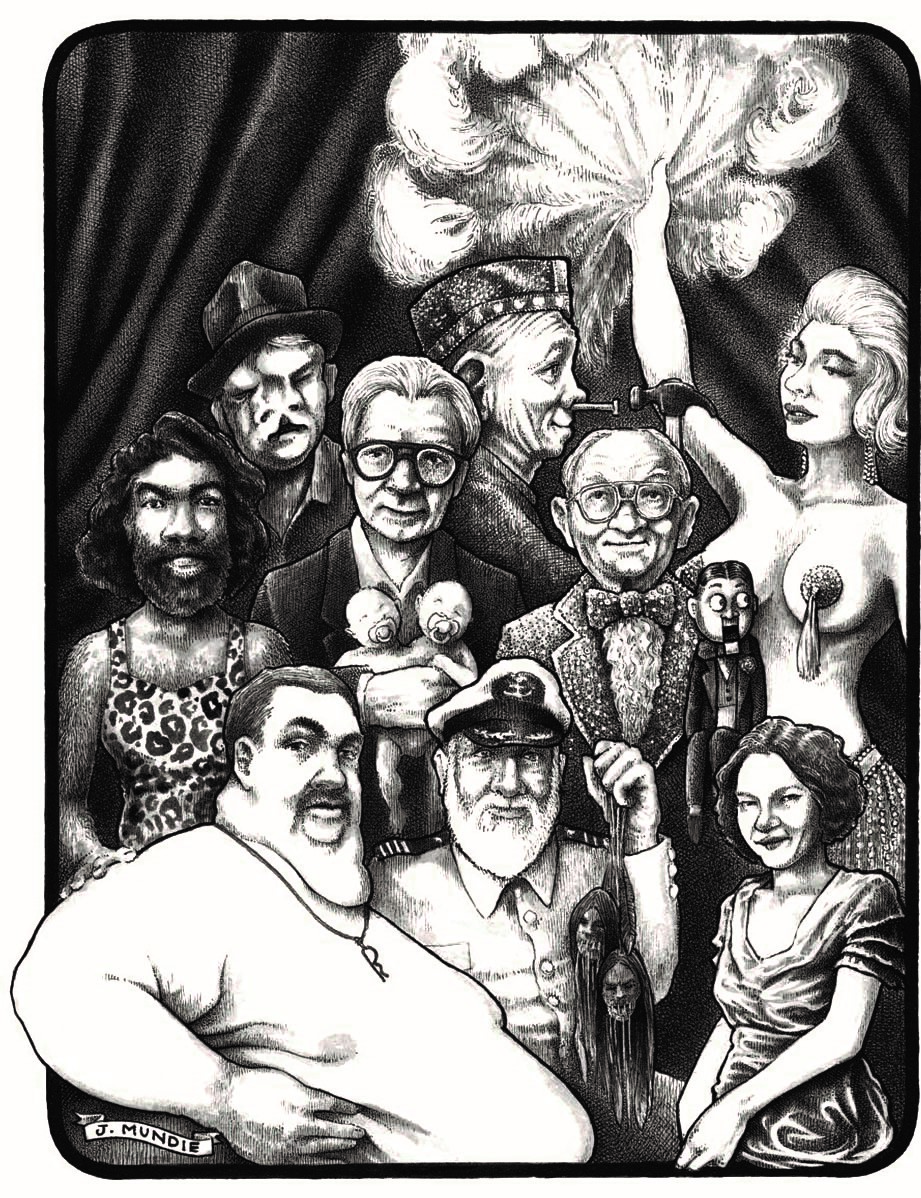

চিত্র ৭ ক , ৭খ – সাহেবি Freak Show (James G Mundie) , আমাদের আজবসার্কাস (Sambaran Das)
“a freaky theory and art will upset the relations between author, reader, and object, or at the very least destabilize it. What seems certain is that active connections are produced here between the protagonist, the slides, the spatial situation, and the viewers, and that affects or feelings are part of the production of knowledge: shame, joy, happiness, and fear turn up as affective moments that create connections or cut them short (…) In order to develop an alternative discourse of difference, it seems necessary…to claim the historical treatment of difference as the starting point for reworking it today, rather than understanding the histories of exclusion and violence as past and overwriting them with images of happy self-empowerment or with discourses of integration, tolerance, and…pride.”
এখানে freak কিন্তু চিত্রশিল্পী নন (স্বসংজ্ঞায়িত LGBTQIA+ শিল্পী হওয়ার দরকার নেই), দর্শক নন (স্বসংজ্ঞায়িত LGBTQIA+ দর্শক হওয়ার দরকার নেই), ছবির বিষয়ও নয় (লিঙ্গসমতা আন্দোলনের স্বপ্ন, লিঙ্গবৈষম্যহীন এক নতুন পৃথিবীর স্বপ্ন , অবৈধ কাম ও কামনার উদযাপন ইত্যাদি বিষয় বাধ্যতামূলক নয়)। Queer art-এর freak-ত্ব তার চিত্ররাজনীতিরসে। যে রস চুঁইয়ে পড়ে তার নানারুপ ভিন্নতায়, বিভিন্নতায় নয়।
বইয়ের পরিশিষ্টে Renate সাতরকম method নিয়ে এক methodology বোনেন। এগুলি queer art কে queer art বলে চেনার পদ্ধতি বা method নয়। এটি queer art freak theorisation-এর পদ্ধতি। এটি সাতটির-সাতটিই কিংবা যে-কোনো-একটি বা খুব-কম-হ’লেও-সাতটির-মধ্যে-তিনটির ইস্কুল নয়। এগুলি Freak নামক চিত্ররাজনীতিরসের শনৈঃ শনৈঃ দেহ নির্মাণ।
“Following the stagings, narrations, and performances of the historical freak show, I would finally like to trace the question of what it might mean to propose not (only) a queer theory but a freak theory of art. How can a theory be and act “freaky”? How can it “laugh rather than argue”? Through seven methods of a possible freak theory, I would like to propose some reflections about how the dual account of the historical freak shows – the exhibition of and staring at “other bodies” on the one hand and the corporeal practices beyond a logic of norm and deviation on the other hand – produce a theory that is embodied and at the same time acts with a certain distance to the body. ”
এই সাতটির মধ্যে তৃতীয় method-এর শিরোনাম freaky multivalence (a figure of difference is produced that refuses to be categorized, immobilized, or exhausted through understanding)-এ Renate এক বিভাজিত দেহের কথা বলেন, যার তুলনা টানা হয় freak show এর মঞ্চের বিকৃতদেহী (যে বিকৃতি জন্মগত বা স্বেচ্ছাকৃত), বিচিত্রদেহী বা বিচিত্রকর্মা (অমানুষিক, অতিপারঙ্গম)অস্তিত্বদের সাথে। যাঁদের দেহ একই সাথে জুগুপ্সা আর দর্শকামের এক আশ্চর্জন্তু মিলন। একইসাথে সেই দেহ-অস্তিত্ব আমাদের বোধের আর বর্গীকরণের নানা বাঁধ ভাঙে আর নানা দিগন্তের মধ্যে সেতু জোড়ে। চোখের মধ্যে দিয়ে মরমে প’শে আমাদের শরীরে নানা অজানা effect-এর বিদ্যুৎ খেলায়। Radical Drag নাম দিয়েছেন একে Renate। এই drag শুধু gender drag নয়, নয় শুধু লিঙ্গছদ্মবেশ, যাতে মনে হয় – এই বেশ খুললে, এই রং মুছলে বেরিয়ে আসবে normal দেহ-অস্তিত্ব, কিন্তু সত্যিই কি আসবে? আর যদি না আসে, উদগ্রতা কি হতাশ হবে না আশ্বস্ত হবে? It’s a freaky multivalence (a figure of difference is produced that refuses to be categorized, immobilized, or exhausted through understanding)।
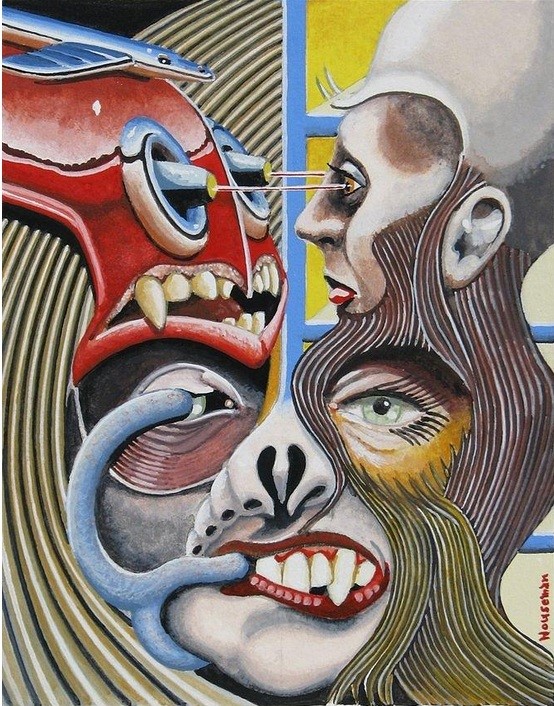
চিত্র ৮ – Freak Show (John Houseman)
চতুর্থ method-এর শিরোনাম freak embodiment (staged freaks, fake freaks, and freak subjectification) – না-বোঝা আর অতিকৌতূহলের চোলাই এই উদগ্রতার এক অনন্যোপায় উপশম হ’ল ফটোগ্রাফি। ফটোগ্রাফি দৃশ্যসততার আশ্বাস দেয়, অনৈসর্গিক freak এই দেহগুলিকে ফ্রেমে বন্দী করে। তাতে রহস্যভেদ না হ’লেও রহস্যবন্ধন হয় – মন্ত্রপূত ভূতবন্ধনের মত। আর রহস্যবন্ধন না হ’লেও রহস্যবর্গীকরণ হয়। বোধের এক বিশেষ বাক্সে (যে বাক্সের লেবেল ‘বুঝি-না-গোছের-না-জানি-কি’-ও হ’তে পারে) তাকে ভরে রাখা যায়।
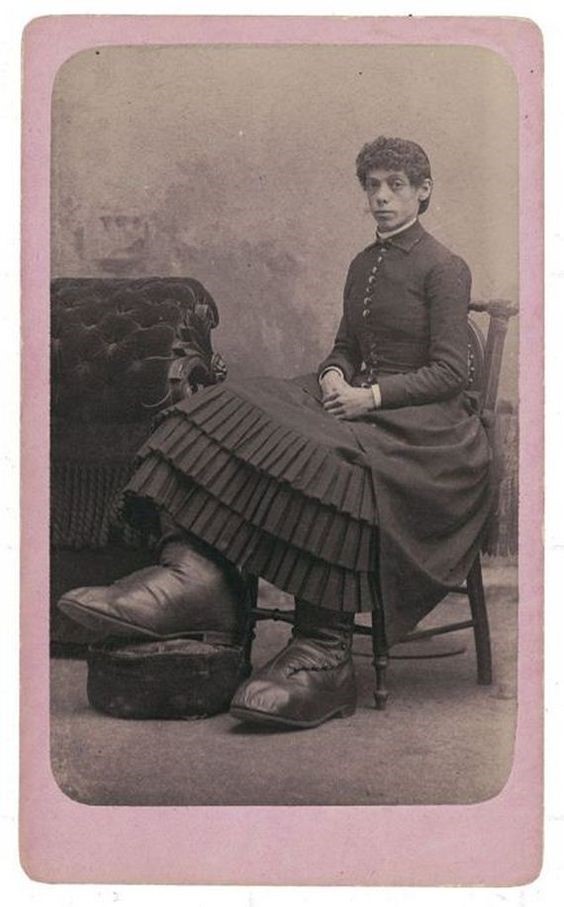
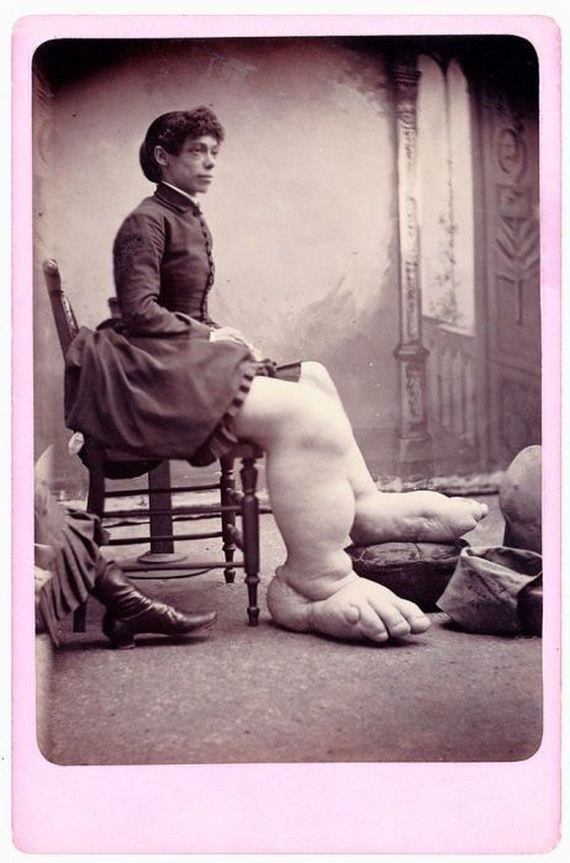
চিত্র ৯ ক, ৯ খ – Charles Eisenmann-এর তোলা গোদা-পা freak-এর ফোটো
ষষ্ঠ method-এর শিরোনাম freak heterotopology (making use of the productivity of space) –
Foucault-কথিত Heterotopia নিয়ে বহু মসীপাত আর তর্কবিতর্ক বজায় আছে আর থাকবেও। Renate তার চুম্বক দেন আমাদের – “In Michel Foucault’s terminology, such a place is a “heterotopia” – an “other” place – that is nonetheless not outside the world. Heterotopias are permeated with power relations and this determines their relationship to other spaces. In contrast to utopias, heterotopias are real and efficient places (Foucault 2005). As examples of heterotopias, Foucault names hospitals, nursing homes, barracks, and ships. Heterotopian space is not opposed to other space, like private space is to public space, for instance, or like the space of leisure is to the space of work. Instead, it is a space with the particular quality, according to Foucault, of having to do with all other spaces and relations while at the same time being quite different from them.” সেই হিসাবে freak show হয়ে ওঠে ‘heterotopia of deviance’ কিন্তু এই norm আর deviance – তথাকথিত শালীন আর তার ‘অপর’ (Lacan-কথিত other) – এর গোদা দ্বিত্ব-কে মেনে নিতে চান না Renate । যেমন ‘ঘুমিয়ে আছে শিশুর পিতা সব শিশুরই অন্তরে’ তেমনি heterotopia-র ঘরের-মধ্যে-ঘর কোনো isolation ward নয়। এক সিনেমার দৃশ্যায়নের উদাহরণ দেন তিনি। সেখানে সার্কাসের এক বামনবীর তাঁর নিজের মাপের এক গাড়িঘরে থাকেন। ক্যামেরার অ্যাঙ্গেল তাঁর দৃষ্টিকোণ থেকে দেখায়, তিনি আমাদের কাছে যেমন বামনবীর, আমরাও তাঁর কাছে তালঢ্যাঙ্গা রাক্ষস। Queer art-এর দ্বারা deviation-এর মামুলিকরণ আর norm-এর রাক্ষসায়ণকেই enfreakment বলেন Renate । তাতেই তার ক্ষমতায়ন। সেথায় তার heterotopia.
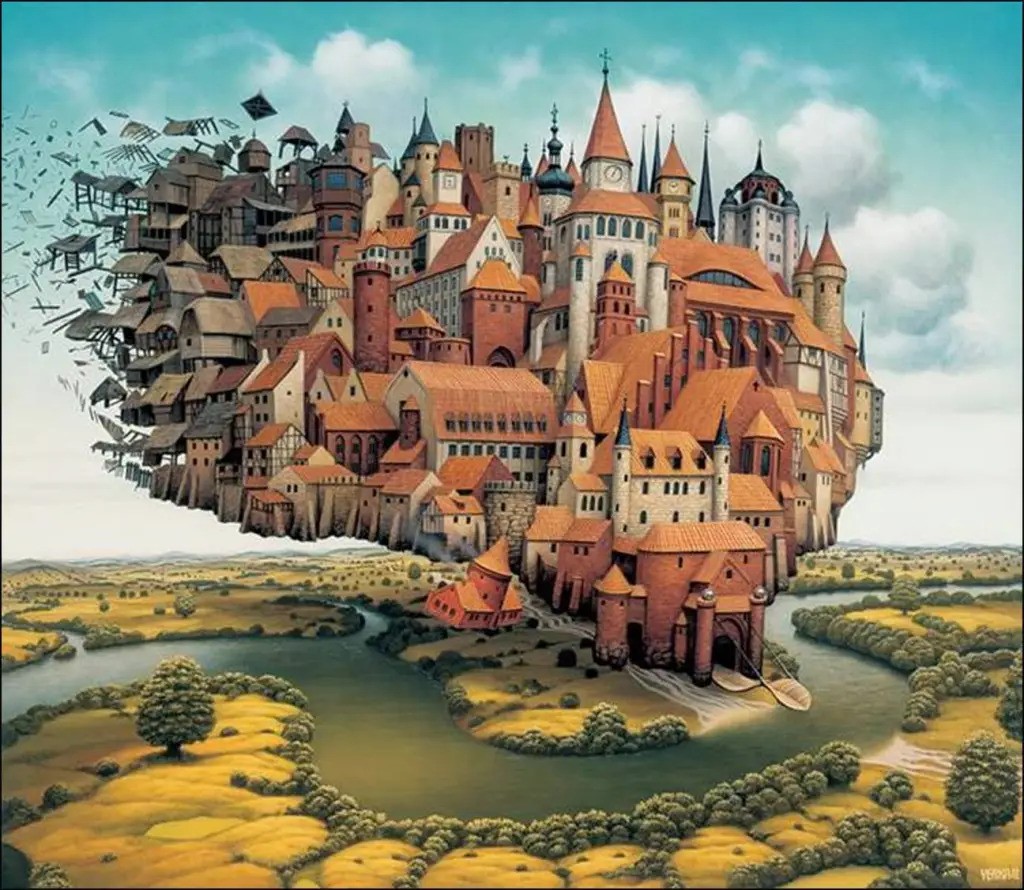
চিত্র ১০ – ‘City is landing’, Jacek Yerka
সপ্তম method-এর শিরোনাম freak heterochrony (appropriating the productivity of time) – Freak-রা যেমন তাঁদের নিজের জীবনীতে নতুন সময়ের ধারাপাত তয়ের করেন – প্রথাগত যৌবন, শিক্ষা, শিশুপালন, চাকুরি জীবনের ধারাপাত ছাড়িয়ে, সেরকম queer art-এর চিত্রপরিসরেও ঘড়িবাঁধা productive capitalist সময়ের বাইরে অন্য সময়রেখা তৈরি হয় – heterotopia-র আদলে heterochrony। যা হতে পারে এক জীবন-ভর সমুদ্রপ্রমাণ কিত্তিকাহিনীর গুলগল্প mythology, এক সময়রেখার সাথে অন্য সময়রেখা জুড়ে যাওয়া, সমকালীন ‘সভ্য’ সমাজের এগিয়ে থাকা সময়, আর ‘অসভ্য’ সমাজের পিছিয়ে পড়া সময় ঘেঁটে যাওয়া, আর সময়কে ব্যবহার করার নানান নতুন বিধান।
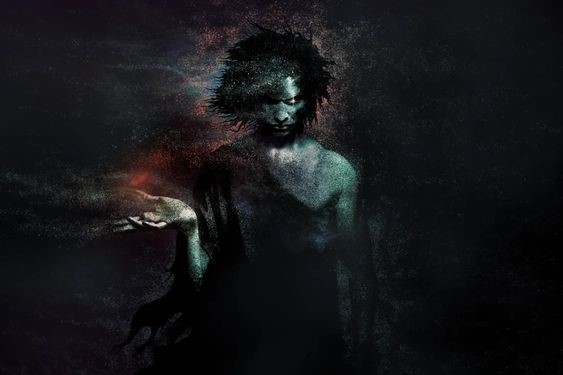
চিত্র ১১ – Neil Gaiman-সৃষ্ট স্বপ্ন-সময়ের অধিদেবতা Sandman, Dave McKean এর তুলিতে
Renate Lorenz উপসংহারে লেখেন – “All of the methods presented here – of a dubious production of know[1]ledge; of shifting the rules of what is intelligible; of non-identitarian, non-unified, and staged embodiments; of experimenting with econo[1]mies; and of interventions in space and time – inspire a theory that produces interventions in norms and normalities. Freak theory is thus not a theoretical practice that stands outside social power relations. Rather, it is a practice that co-produces inventions and images – that offers al[1]ternatives to social power relations that are more and different than cri[1]tiquing, “reworking,” or subverting social norms. The freak theory of art is thus “in drag.””
চার জন দৃশ্যশিল্পীর চারটি ছবি। চারজনের একজনও কিন্তু নিজেকে queer বা নিজেদের কাজকে queer art ব’লে সংজ্ঞায়িত করেন না। এই ছবিগুলিকে তো নয়-ই।
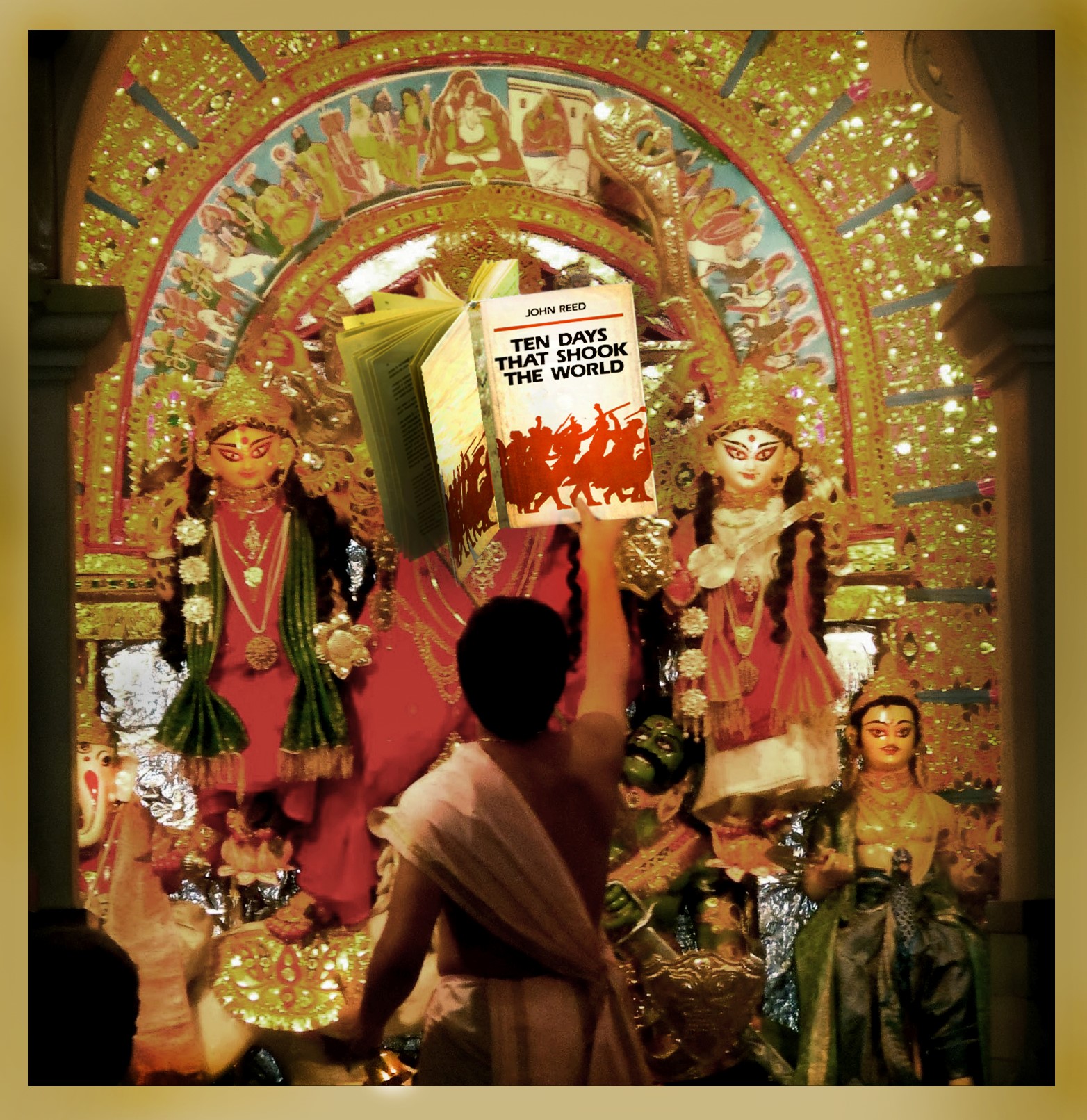
চিত্র ১২ – Pinak Banik, Composograph – ’10 Days that Shook the World’, Digital Construction, 24×25 inches (variable), 2016
পিনাক বনিকের স্যাটায়ারের সায়ক তাক করা তথাকথিত-নাস্তিক-কিন্তু-আদতে-ব্রাহ্মণ্যবাদী বাঙ্গালি বামপন্থীদের দিকে। কিন্তু সেই তীরের মুখে যে বিষ তা heterochrony-র। ব্রাহ্মণ্য-উপনিবেশবাদী দুর্গাপুজোর বাৎসরিক দশ দিনের সাথে 1917-র বলশেভিক বিপ্লবের দশ দিন জুড়ে দিয়ে। দর্শকের যার-পর-নাই অপ্রত্যাশিত এই below-the-belt আক্রমণ।
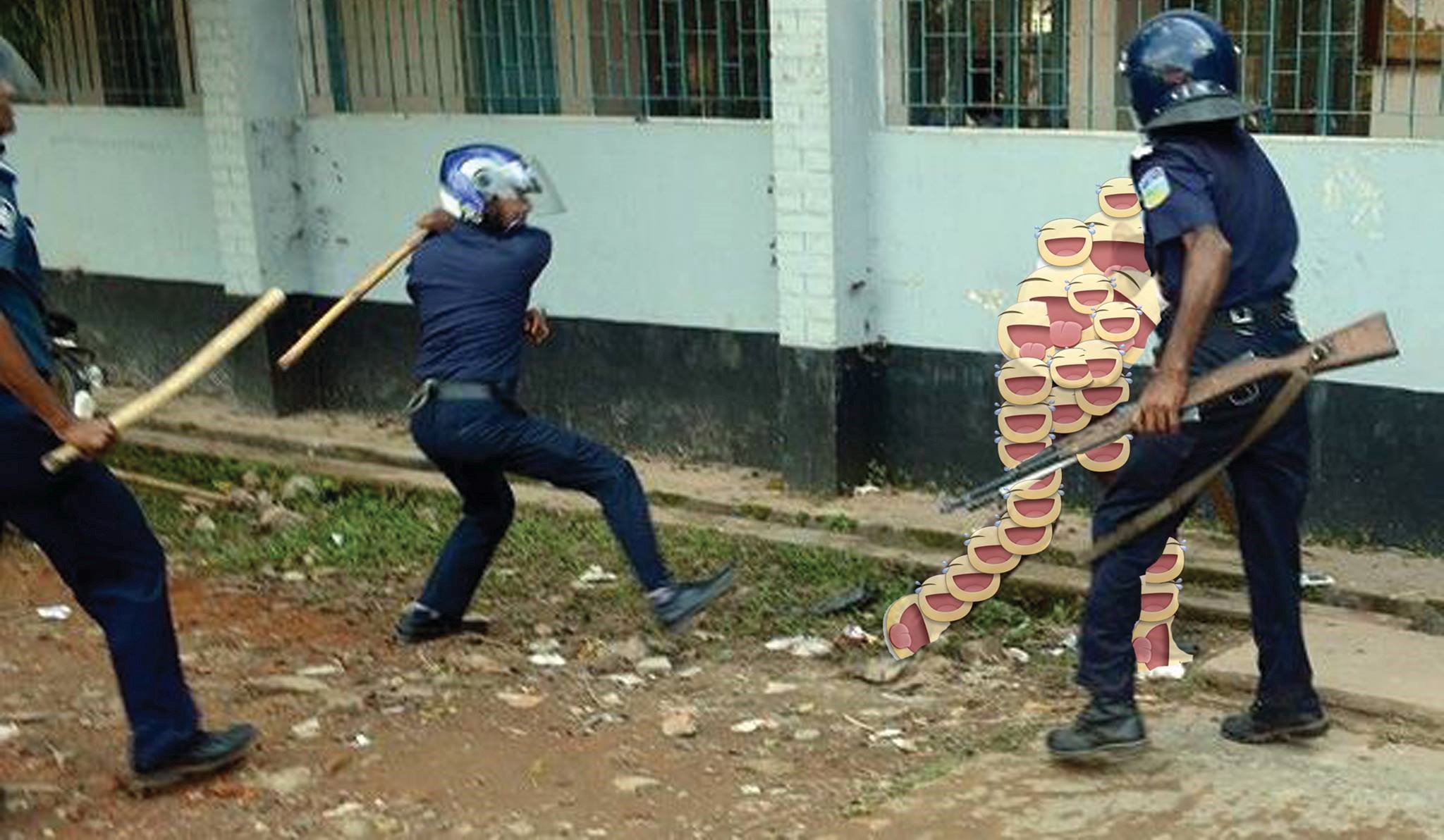
চিত্র ১৩ –Razib Datta, Untitled, Digital Construction, 2048 x 1192 pixels, from the series ‘Screenshots of the Skin’, 2016
রাজীব মূল ছবিটি নিয়েছেন বাংলাদেশের কোন এক বিশ্ববিদ্যালয়ের ছাত্রপেটানোর ঘটনা থেকে। কিন্তু সেই আক্রান্ত দেহে HaHa smiley-র ‘radical drag’-এর জোব্বা পরাতেই এর effect-শক্তি হয়ে উঠেছে হৃদয়ঘাতী। এই হাহাজোব্বা আমাদের চর্মচক্ষে, অন্য মানবদেহকে আক্রান্ত, পীড়িত, রক্তাক্ত দেখলে যে মানবিক বেদনা হয় – তার পথরোধ করে দাঁড়ায়। আর digitized image-এর নিরাপদ দূরত্বে রক্তদর্শনে আমাদের যে গোপন উল্লাস আর apathy, তাকে বেআব্রু করে দেয়।
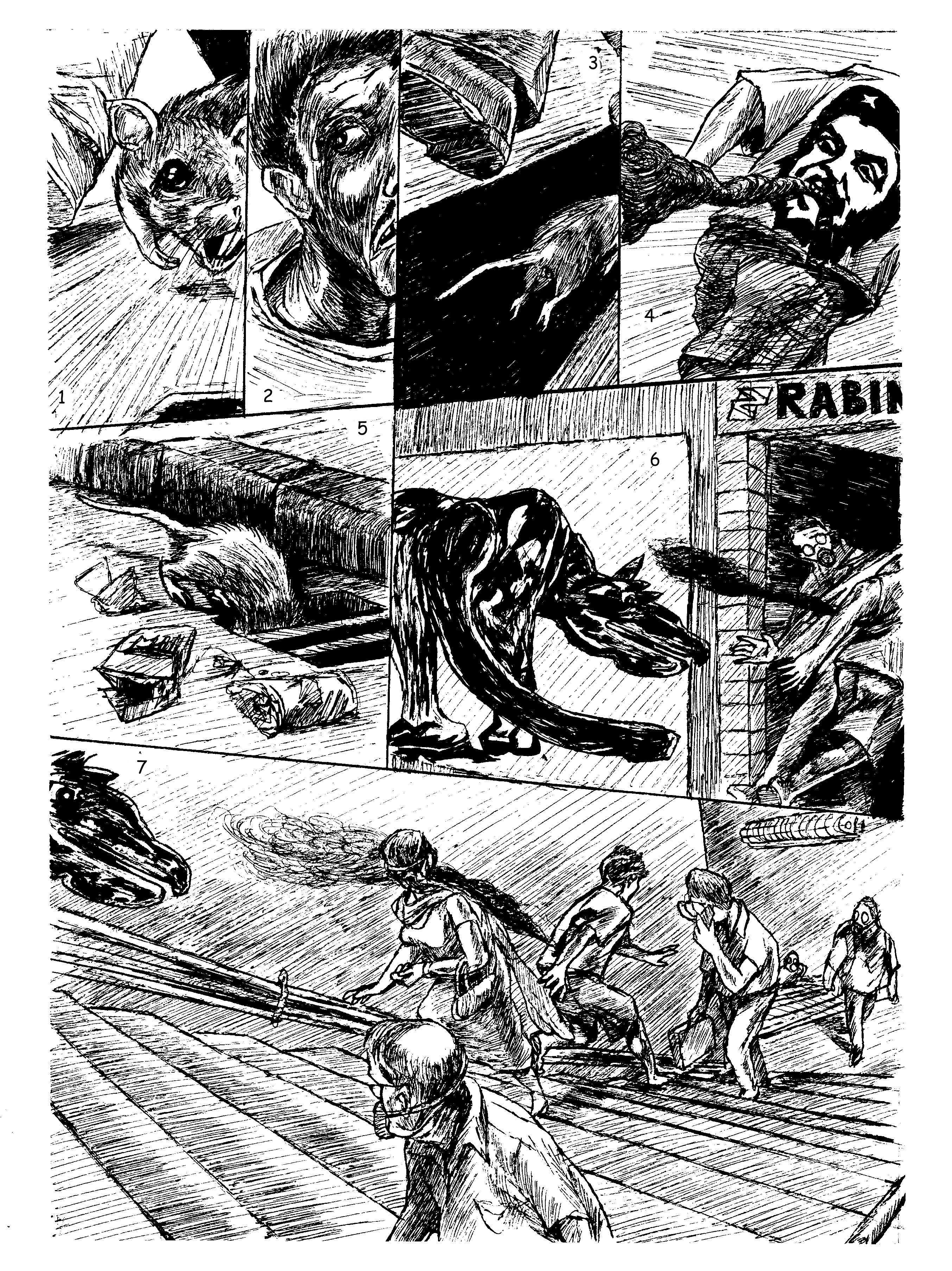
চিত্র ১8 –Sambaran Das, Pre-Lettered Panels from Page 10 of Graphic Novel ‘Gandur Mundu’ (Bugger’s Head), 8.5×6.5 inches, 2019
সম্বরণ দাসের এই গ্রাফিক নভেল একটি সমাজ-খ্যাদানো গান্ডু ছেলের সিনেমাটিক গপ্পোকে আরেক ধাপ এগিয়ে নিয়ে যায়। এই প্যানেলগুলিতে কলকাতার আম-রাস্তার দৃশ্য নেশাতুর গান্ডুর প্যানিক-দর্শনে তার heterotopical দাঁত-নখ বের করে। ঘরের ভেতর থেকে অন্য ঘর বেরিয়ে আসে। রবিঠাকুর নামাঙ্কিত রবীন্দ্রসদন মেট্রো স্টেশনে তাঁর আঁকা শ্বাপদ নিরামিষরূপে দেওয়াল-অলঙ্করণে বন্দী। কিন্তু এইখানে সে দাঁত-নখ-লেজ আপসে বেরিয়ে আসে। বাকিদের ভয় দেখায় কিন্তু গান্ডুকে এড়িয়ে যায়। জামায় আঁকা চে মুখ দিয়ে কালো ধোঁয়া ছাড়ে।
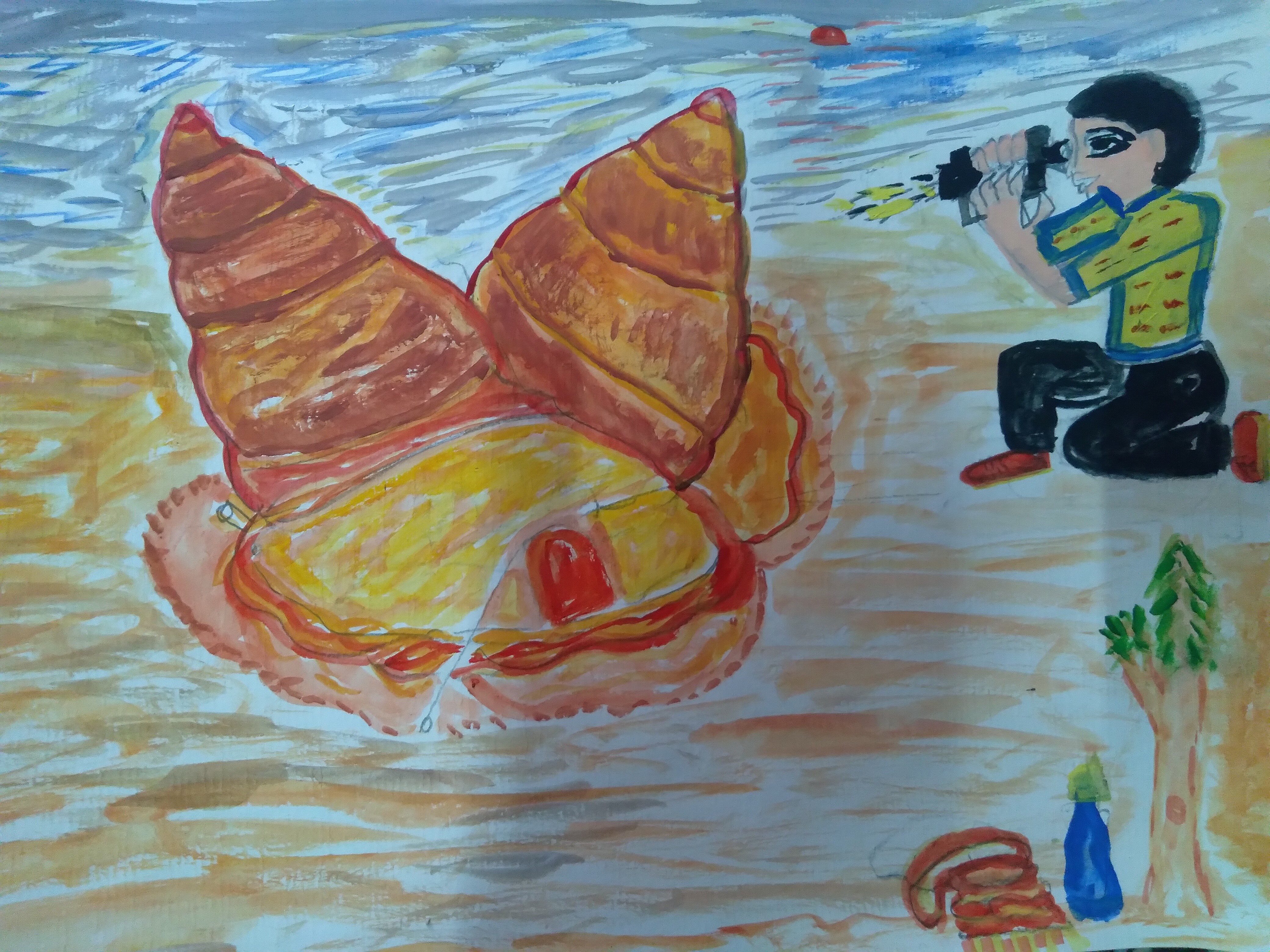
চিত্র ১৫- Shyam Thandar, ‘Snail Sex’, Watercolour on paper, 38×28 cm, 2021
মহাশামুকযুগলের রতিলীলাকে ক্যামেরাবন্দী করে মানুষ paparazzo-র ধর্ষকাম তৃপ্ত না হলেও দর্শকাম তৃপ্ত হয়। জন্ম হয় নতুন অমানুষিক রতি-আদর্শের।
আরও পড়তে চাইলে :
Barker, Meg-John. Queer: A graphic history. Icon Books, 2016
Lorenz, Renate. Queer art: A freak theory. transcript Verlag, 2012.
https://www.boudry-lorenz.de/

সৌরভ রায়। ভিজুয়াল স্টাডিস গবেষক, সম্পাদক এবং ইন্টারনেটভাষা বিউপনিবেশিকরণ কর্মী।
 ৯ নাম্বার বাস